Destination

Destination

Olduvai Gorge & Laitoli

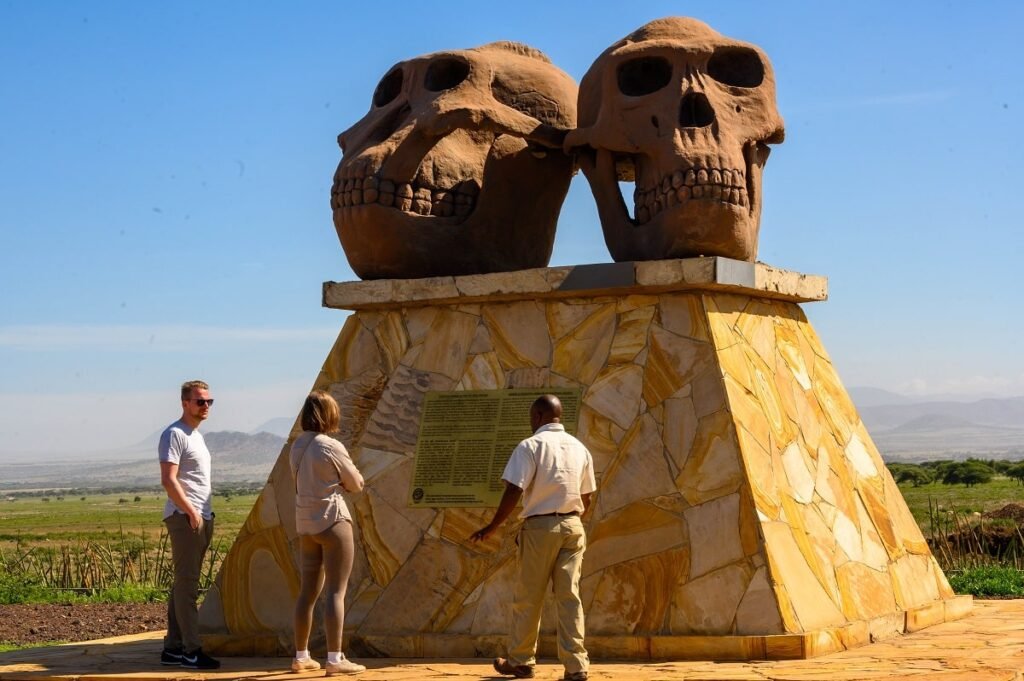
Olduvai Gorge & Laetoli Over the last thirty years or so, it has become increasingly apparent that Africa is probably the “Cradle of Mankind”. From Africa they spread out to populate the rest of Earth. Remains of the earliest humans were found in Olduvai Gorge. Olduvai Gorge (originally misnamed Olduvai) is the most famous archaeological location in East Africa, and has become an essential visit for travelers to Ngorongoro or Serengeti. At Laetoli, west of Ngorongoro Crater, hominid footprints are preserved in volcanic rock 3.6 millions years old and represent some of the earliest signs of mankind in the world. Three separate tracks of a small-brained upright walking early hominid. Australopithecus afarensis, a creature about 1.2 to 1.4 meters high, were found. Imprints of these are displayed in the Olduvai museum. More advanced descendants of Laetoli’s hominids were found further north, buried in the layers of the 100 meters deep Olduvai Gorge. Excavations, mainly by the archaeologist Louis and Mary Leakey, yielded four different kinds of hominid, showing a gradual increases in brain size and in the complexity of their stone tools. The first skull of Zinjanthropus, commonly known as ‘Nutcracker Man’ who lived about 1.75 millions years ago, was found here. The most important find include Home habilis, Zinjathropus and the Laetoli footprints. The excavation sites have been preserved for public viewing and work continues during the dry seasons, coordinated by the Department of Antiquities. One may visit Olduvai at all times of the year. It is necessary to have official guide to visit the excavations. At the top of the Gorge there is small museum, a sheltered area used for lectures and talks, toilets and a cultural Boma. Local Maasai souvenirs are also available. Thus, Olduvai and Laetoli makes the Ngorongoro Conservation Area an important place in the world for the study of human origins and human evolution.

Destination

Lake Natron & Oldoinyo Lengai

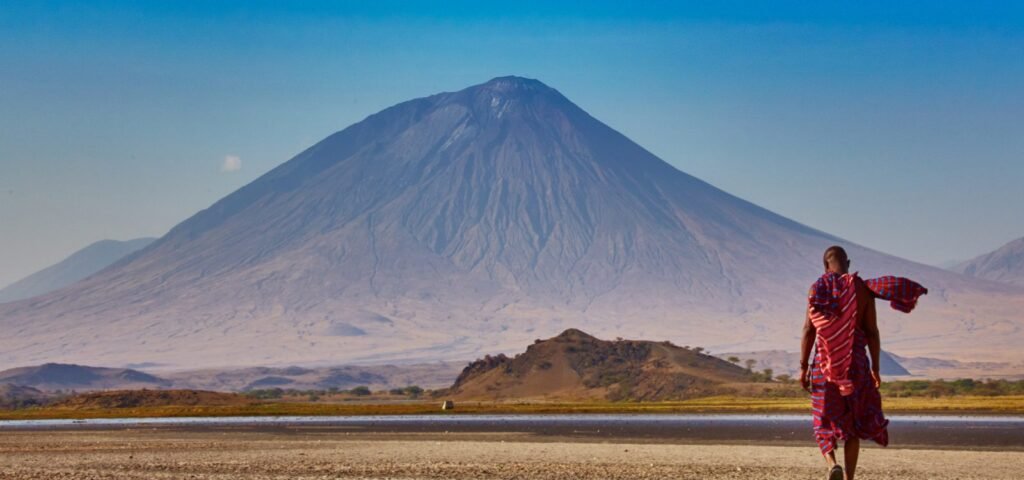
About Lake Natron Surface elevation: 610 m Catchment area: 932 km² Area: 1,040 km² Lake type: Salt lake Lake Natron is a salt and soda lake in the Arusha Region of northern Tanzania. The lake is close to the Kenyan border and is in the Gregory Rift, which is the eastern branch of the East African Rift.The lake is within the Lake Natron Basin, a Ramsar Site wetland of international significance. The Gregory Rift: is the eastern branch of the East African Rift fracture system. The rift is being caused by the separation of the Somali plate from the Nubian plate, driven by a thermal plume. Although the term is sometimes used in the narrow sense of the Kenyan Rift, the larger definition of the Gregory Rift is the set of faults and grabens extending southward from the Gulf of Aden through Ethiopia and Kenya into Northern Tanzania, passing over the local uplifts of the Ethiopian and Kenyan domes.Ancient fossils of early hominins, the ancestors of humans, have been found in the southern part of the Gregory Rift. The lake is fed principally by the Southern Ewaso Ng’iro River, which rises in central Kenya, and by mineral-rich hot springs.It is quite shallow, less than three meters (9.8 ft) deep, and varies in width depending on its water level. The lake is a maximum of 57 kilometers (35 mi) long and 22 kilometers (14 mi) wide. The surrounding area receives irregular seasonal rainfall, mainly between December and May totaling 800 millimeters (31 in) per year. Temperatures at the lake are frequently above 40 °C (104 °F). High levels of evaporation have left behind Natron (sodium carbonate dehydrate) and trona (sodium esquire carbonate dehydrate). The alkalinity of the lake can reach a pH of greater than 12. The surrounding bedrock is composed of alkaline, sodium-dominated trachyte lavas that were laid down during the Pleistocene period. The lavas have significant amounts of carbonate but very low calcium and magnesium levels. This has allowed the lake to concentrate into a caustic alkaline brine. The alkaline water in Lake Natron has a pH as high as 10.5 and is so caustic it can burn the skin and eyes of animals that aren’t adapted to it. The water’s alkalinity comes from the sodium carbonate and other minerals that flow into the lake from the surrounding hills. And deposits of sodium carbonate which was once used in Egyptian mummification also acts as a type of preservative for those animals unlucky enough to die in the waters of Lake Natron. Despite media reports, the animals do not simply turn to stone and die after coming into contact with the lake’s water. Lake Natron’s alkaline waters support a thriving ecosystem of salt marshes, freshwater wetlands, flamingos and other wetland birds, tilapia and the algae on which large flocks of flamingos feed. About OlDoinyo Lengai Ol Doinyo Lengai, “Mountain of God” in the Maasai language, is an active volcano located in the Gregory Rift, south of Lake Natron within the Arusha Region of Tanzania. Elevation: 2,962 m Last eruption: 2006 OlDoinyo Lengai is an extremely fascinating volcano: it is the only active volcano known to erupt carbonate lava, a sensational discovery scientists made as recently as in the 1960s: the lavas it erupts are NOT melts based on silica, but on Natron carbonate! Thus, the temperatures of these lavas are much lower, “only” about 600 deg. C., and Lengai’s lava does not emit enough light to glow during day,- only at night, a dull reddish glow that does not illuminate anything is visible. Also because of its peculiar chemical composition, the lava is extremely fluid and behaves very much like water, with the exception that it is black like oil. After it is cooled down it quickly alters and becomes a whitish powder. Geologically, the present-day cone of the volcano was constructed about 15,000 years ago. Historical eruptions have been moderate to small explosive events. In addition to its intermittent explosive activity at intervals of typically years or decades, numerous Natron carbonate lava flows have been erupted from vents on the floor of the active summit crater. The depth and morphology of the active (northern) crater have changed dramatically during the course of historical eruptions, ranging from steep craters walls about 200 m deep in the mid-20th century to shallow platforms mostly filling the crater. Long-term lava effusion in the summit crater beginning in 1983 had by the turn of the century mostly filled the northern crater; by late 1998 up till today lava had begun overflowing the crater rim.

Destination

Lake Eyasi

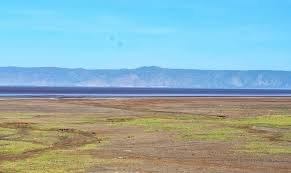
About Lake Eyasi Lake Eyasi, lake, northern Tanzania. It lies west of Lake Manyara and approximately 95 miles (155 km) southwest of Arusha. At an elevation of about 3,400 feet (1,040 m), the lake covers an area of about 400 square miles (1,050 square km) and occupies the bottom of a bowllike depression in a region of volcanic activity. The walls of the lake are purple lava enclosing a broad expanse of white alkaline shallows with some fresh water at depths below 33 feet (10 m). The lake has no outlet; its main inlet is the Sibiti River on the southwest. The lake drains an area of about 25,300 square miles (65,500 square km). Greater and lesser flamingos inhabit the lake shore in vast flocks. The Hadzabe tribe – Cultural experience Take a journey into the “Gods must be crazy” movie. The Hadzabe tribe of Tanzania is the last true nomades of Africa. Divan Africa Safaris can take you on an amazing adventure with the Hadzas. You will join the men as they hunt for their daily subsidance using traditional Bow and arrows, or join the women as they forrage for fruits and berries. This is not a show or a “tourist put on”. This is the real deal. A true African cultural experience, not for the faint of heart. About the Hadza The Hadza people, or Hadzabe’e, are an ethnic group in central Tanzania, living around Lake Eyasi in the central Rift Valley and in the neighboring Serengeti Plateau. The Hadza number just under 1000. Some 300–400 Hadza live as hunter-gatherers, much as they have for thousands or even tens of thousands of years; they are the last functioning hunter-gatherers in Africa. The Hadza are not closely related to any other people. While traditionally considered an East African branch of the Khoisan peoples, primarily because their language has clicks, modern genetic research suggests that they may be more closely related to the Pygmies. The Hadza language appears to be an isolate, unrelated to any other. There are four traditional areas of Hadza dry-season habitation: West of the southern end of Lake Eyasi, between Lake Eyasi and the Yaeda Valley swamp to the east, east of the Yaeda Valley in the Mbulu Highlands, and north of the valley around the town of Mang’ola. During the wet season the Hadza camp outside and between these areas, and readily travel between them during the dry season as well. Access to and from the western area is by crossing the southern end of the lake, which is the first part to dry up, or by following the escarpment of the Serengeti Plateau around the northern shore. The Yaeda Valley is easily crossed, and the areas on either side abut the hills south of Mang’ola. The Hadza have traditionally foraged outside these areas, in the Yaeda Valley, on the slopes of Mount Oldeani north of Mang’ola, and up onto the Serengeti Plains. Such foraging is done for hunting, berry collecting, and for honey. Although hunting is illegal in the Serengeti, the Tanzanian authorities recognise that the Hadza are a special case and do not enforce the regulations with them, just as the Hadza are the only people in Tanzania not taxed locally or by the national government. Hadza men usually forage individually, and during the course of day usually feed themselves while foraging, and also bring home some honey, fruit, or wild game when available. Women forage in larger parties, and usually bring home berries, baobab fruit, and tubers, depending on availability. Men and women also forage co-operatively for honey and fruit, and at least one adult male will usually accompany a group of foraging women. During the wet season, the diet is composed mostly of honey, some fruit,fdr tubers, and occasional meat. The contribution of meat to the diet increases in the dry season, when game become concentrated around sources of water. During this time, men often hunt in pairs, and spend entire nights lying in wait by waterholes, hoping to shoot animals that approach for a night-time drink, with bows and arrows treated with poison. The poison is made of the branches of the shrub Adenium coetaneum. The Hadza are highly skilled, selective, and opportunistic foragers, and adjust their diet according to season and circumstance. Depending on local availability, some groups might rely more heavily on tubers, others on berries, others on meat. This variability is the result of their opportunism and adjustment to prevailing conditions. Traditionally, the Hadza do not make use of hunting dogs, although this custom has been recently borrowed from neighboring tribes to some degree. Most men (80%+) do not use dogs when foraging.

Destination

Mkomanzi National Park

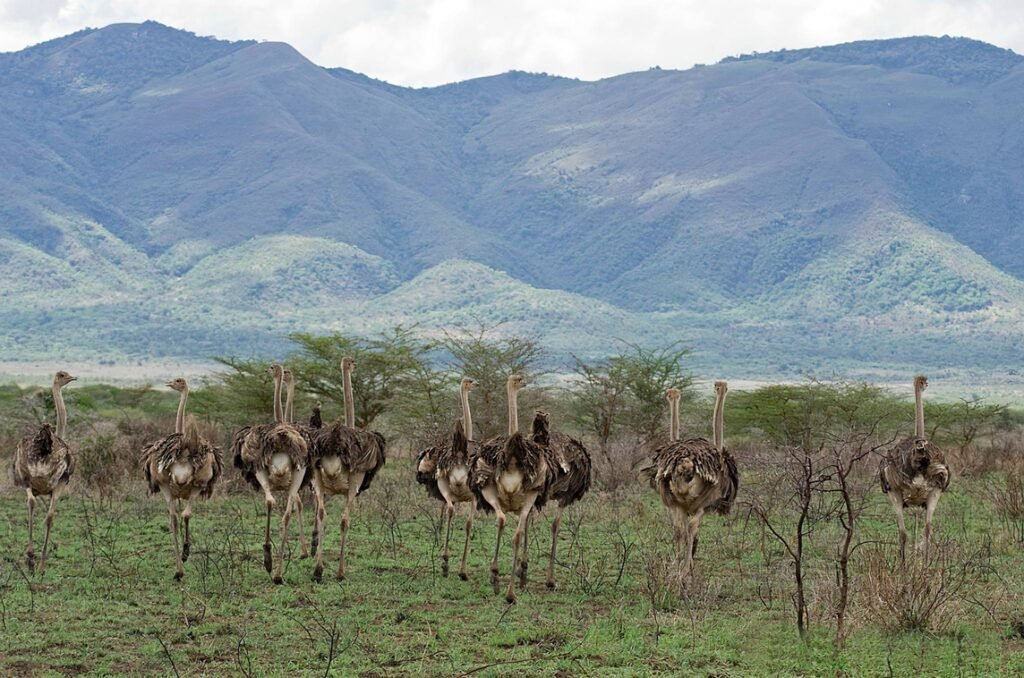
Mkomazi National Park is one of Tanzania’s most underrated wilderness destinations, offering vast open landscapes, dramatic mountain backdrops, and a strong sense of isolation. Located in northeastern Tanzania near the Kenyan border, the park stretches between the Pare and Usambara mountain ranges, with clear views of Mount Kilimanjaro on bright days. Unlike the more famous northern parks, Mkomazi is quiet and uncrowded, making it ideal for travelers seeking an off-the-beaten-path safari experience. Its semi-arid savannah, acacia woodlands, and seasonal rivers create a strikingly raw and authentic African environment. The park is best known for its successful conservation programs, particularly for endangered black rhinos and African wild dogs. Mkomazi is home to giraffes, elephants, zebras, elands, oryx, hartebeest, and lesser kudu, species well adapted to the dry conditions. Lions and leopards are present but elusive, adding an element of adventure to game drives. Birdlife is exceptional, with over 450 recorded species, making it a rewarding destination for birdwatchers. The varied habitats support both savannah and dry-country birds, creating excellent photographic opportunities throughout the year. Mkomazi National Park is perfect for travelers who value conservation, scenery, and solitude over high-density wildlife sightings. Game drives here feel exploratory, with long horizons and minimal vehicle traffic enhancing the sense of discovery. The park is accessible from Moshi, Arusha, or the Usambara region, making it a great addition to a northern Tanzania itinerary or a Kilimanjaro extension. Whether visited as a day trip or an overnight safari, Mkomazi offers a deeper connection to nature, showcasing Tanzania’s commitment to wildlife protection and the beauty of its lesser-known landscapes.

Destination

Mikumi National Park

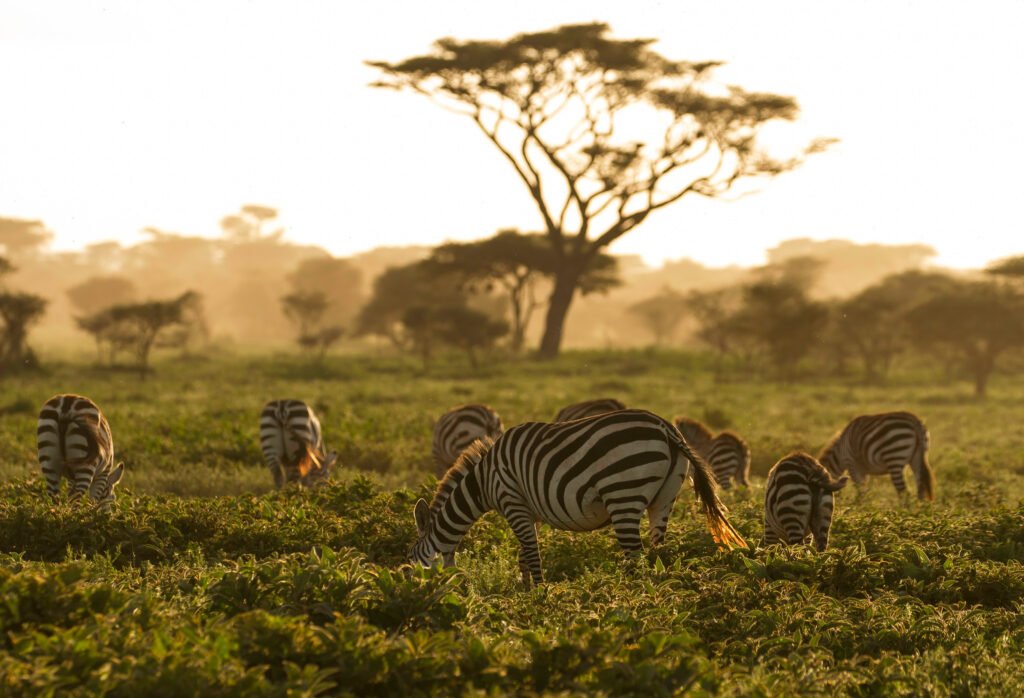
Mikumi National Park is one of Tanzania’s most accessible and rewarding safari destinations, located in the southern circuit between Dar es Salaam and Iringa. As part of the greater Selous ecosystem, the park is known for its wide open floodplains, rolling savannahs, and dramatic mountain backdrops. Often compared to the Serengeti for its open landscapes, Mikumi offers excellent wildlife viewing throughout the year, making it an ideal choice for both short safaris and extended Southern Tanzania itineraries. Its proximity to major highways makes it perfect for travelers seeking a rich safari experience without long internal flights. The park is home to an impressive variety of wildlife, including large herds of elephants, buffaloes, zebras, wildebeest, giraffes, and impalas. Mikumi is also one of the best places in Tanzania to spot lions resting on termite mounds, scanning the plains for prey. Leopards, hyenas, and jackals are present, while hippos and crocodiles thrive in the park’s pools and rivers, especially around the Mkata Floodplain. Birdlife is abundant, with over 400 species recorded, ranging from colorful rollers and hornbills to migratory birds that arrive during the wet season, making the park a rewarding destination for birdwatchers as well. Mikumi National Park is ideal for travelers seeking a quieter, less crowded safari experience while still enjoying classic African wildlife encounters. Game drives are the main activity, offering excellent visibility due to the park’s open terrain. The best time to visit is during the dry season from June to October, when animals gather around water sources, though the green season brings lush scenery and fewer visitors. With a range of accommodations from comfortable lodges to luxury tented camps, Mikumi suits different travel styles and budgets. Whether visited as a standalone destination or combined with Ruaha or Nyerere National Park, Mikumi delivers an authentic and memorable Tanzania safari experience.

3 Days Tanzania Tours to Ngorongoro
Destination

Ruaha National Park

Ruaha National Park is Tanzania’s largest national park and one of Africa’s most unspoiled wilderness areas. Located in the remote southern circuit, Ruaha offers a raw and authentic safari experience far from the crowds of the north. Its vast landscapes are shaped by rolling hills, rocky escarpments, open savannahs, and the lifeline of the Great Ruaha River. This diversity of habitats supports an extraordinary range of wildlife, making the park a paradise for nature lovers and photographers seeking dramatic scenery and untamed beauty. Ruaha is especially famous for its impressive concentrations of elephants, hosting one of East Africa’s largest populations. Lions are frequently seen and are known for their unique behavior, including hunting large prey such as buffalo. The park is also home to leopards, cheetahs, African wild dogs, giraffes, zebras, and a wide variety of antelope species, including greater and lesser kudu and sable antelope, which are rarely seen in northern parks. Birdlife is equally remarkable, with over 570 recorded species, making Ruaha a top destination for birdwatching, particularly during the green season. What truly sets Ruaha apart is its sense of isolation and exclusivity. Game drives often feel private, allowing visitors to immerse themselves fully in the rhythm of the wild. The dry season offers excellent wildlife viewing along the riverbanks, while the wet season transforms the park into a lush, green haven filled with migratory birds and newborn animals. With its dramatic landscapes, rich biodiversity, and off-the-beaten-path appeal, Ruaha National Park delivers a safari experience that is wild, intimate, and deeply memorable—ideal for travelers seeking Africa in its most natural and untouched form.

Destination

Serengeti National Park

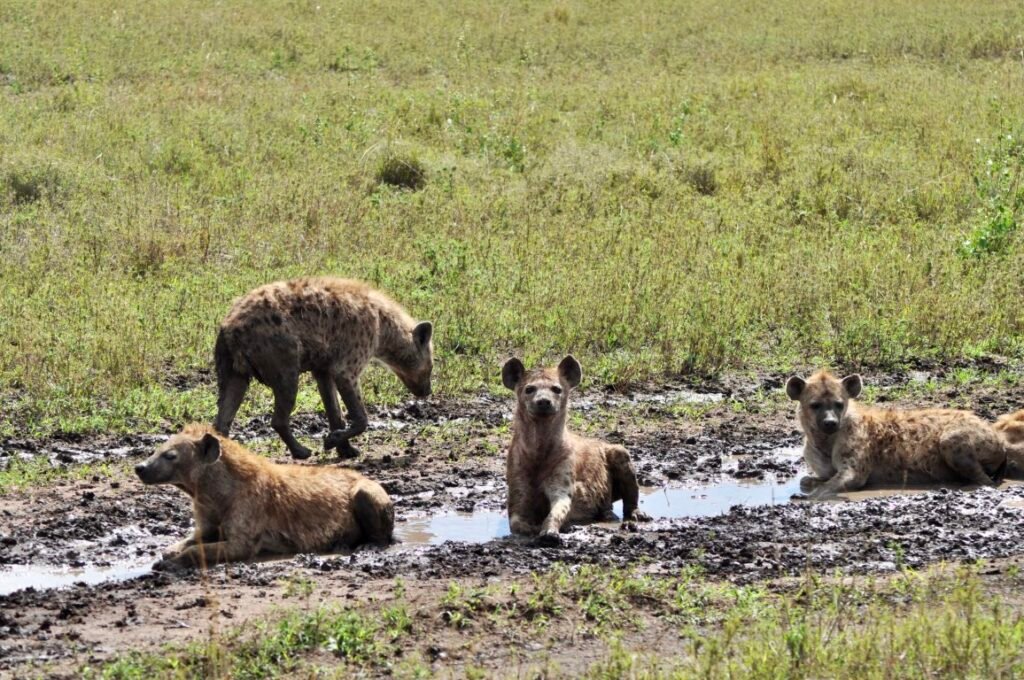
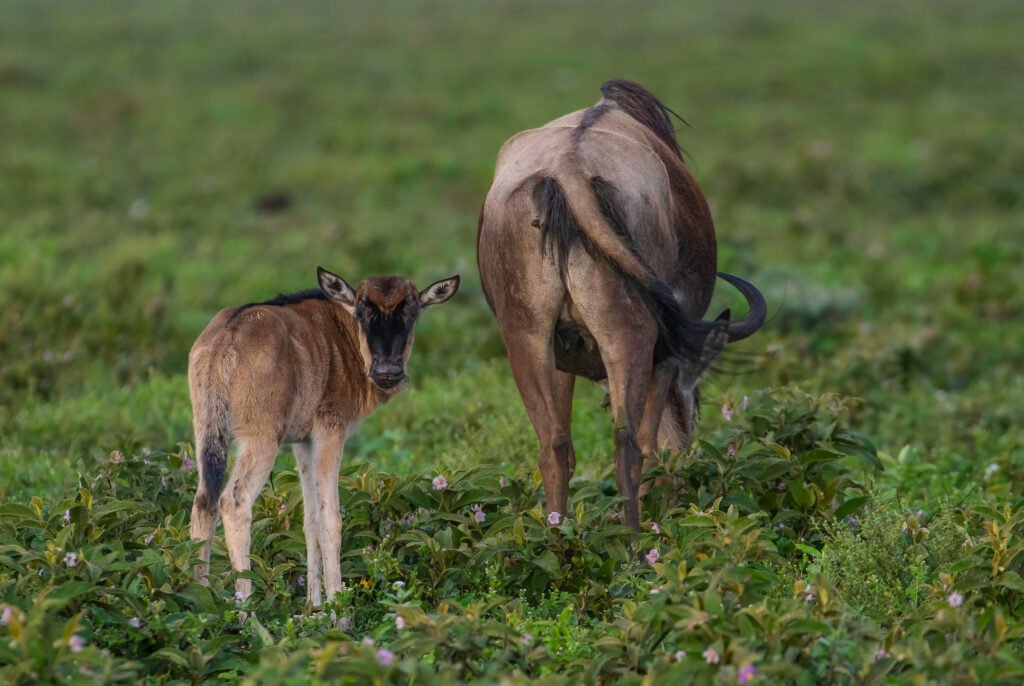
Serengeti National Park is one of Africa’s most iconic wildlife destinations, renowned for its vast open plains and extraordinary concentration of animals. Located in northern Tanzania, the park covers nearly 15,000 square kilometers of classic savannah, dotted with acacia trees, rocky kopjes, and winding rivers. The name “Serengeti” comes from the Maasai word Siringet, meaning “endless plains,” a fitting description of the sweeping landscapes that stretch to the horizon. This immense ecosystem supports an incredible diversity of wildlife, making the park a cornerstone of Tanzania’s safari heritage and a UNESCO World Heritage Site. The Serengeti is world-famous for hosting the Great Migration, one of nature’s most dramatic spectacles. Each year, over a million wildebeest, accompanied by hundreds of thousands of zebras and gazelles, move in a continuous cycle in search of fresh grazing and water. This journey attracts powerful predators such as lions, cheetahs, leopards, and hyenas, offering unforgettable wildlife encounters. Beyond the migration, the Serengeti is home to the Big Five—lion, leopard, elephant, buffalo, and rhinoceros—as well as giraffes, hippos, crocodiles, and more than 500 bird species. Game viewing is exceptional throughout the year, with each season offering unique highlights. Beyond wildlife, the Serengeti delivers a deep sense of wilderness and timeless beauty. Sunrise and sunset paint the plains in golden hues, while the sounds of nature—roaring lions, calling birds, and rustling grass—create an immersive safari experience. Visitors can explore the park through guided game drives, hot air balloon safaris, and photographic excursions, all led by expert guides who share insights into the ecosystem. Whether visited as part of a longer safari or as a standalone adventure, the Serengeti National Park leaves a lasting impression, embodying the raw, untamed spirit of Africa and offering one of the most rewarding wildlife experiences on Earth.

Destination

Lake Manyara National Park

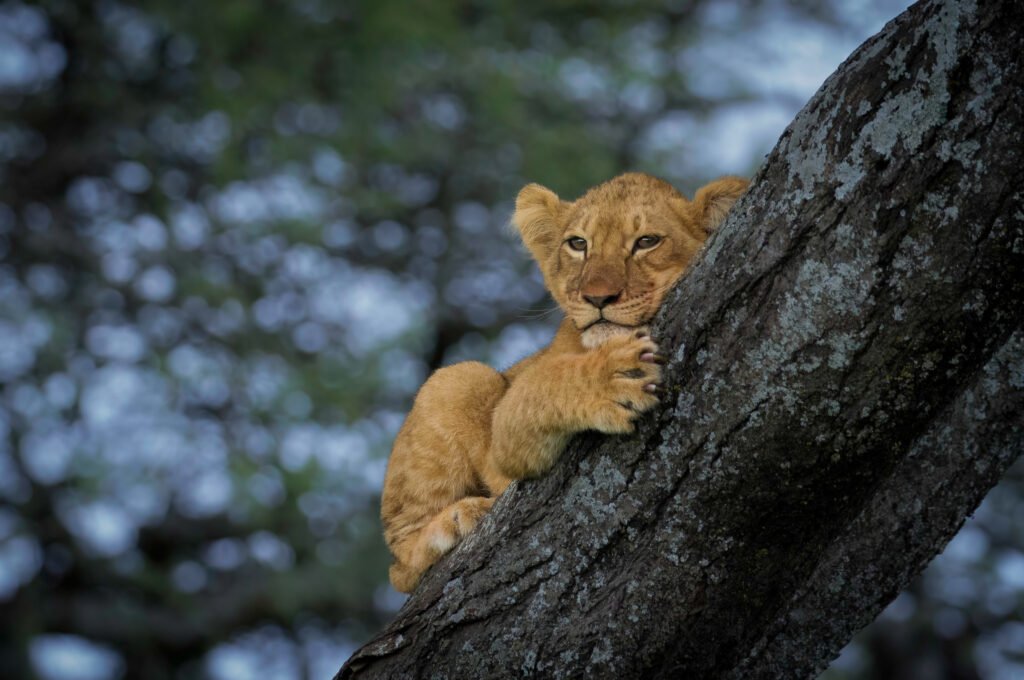
Lake Manyara National Park is one of Tanzania’s most diverse and scenic safari destinations, located along the base of the Great Rift Valley escarpment. Though compact in size, the park offers an extraordinary range of habitats within a short distance, making it ideal for day trips or as part of a northern safari circuit. From lush groundwater forests and open grasslands to acacia woodlands and the shimmering alkaline lake itself, Lake Manyara delivers a rich and constantly changing landscape that surprises many first-time visitors. The park is best known for its famous tree-climbing lions, a rare behavior thought to help them avoid insects and enjoy cooler breezes. Large herds of elephants move gracefully through the forest, while giraffes, zebras, buffaloes, and warthogs are commonly seen across the plains. Lake Manyara is also a birdlover’s paradise, hosting over 400 bird species. Pink-hued flamingos often gather along the lake’s shores, joined by pelicans, storks, hornbills, and colorful kingfishers. Seasonal changes dramatically influence wildlife movement, ensuring that every visit offers a unique experience. Beyond wildlife, Lake Manyara National Park provides stunning photographic opportunities and a peaceful safari atmosphere. The dramatic Rift Valley escarpment forms a striking backdrop, especially during early morning and late afternoon game drives. Visitors can also enjoy activities such as guided nature walks and treetop canopy walks, which offer a different perspective of the park’s ecosystem. Its accessibility from Arusha and proximity to other iconic destinations like Ngorongoro make Lake Manyara a perfect introduction to Tanzania’s wilderness—quiet, beautiful, and filled with natural wonder.

Destination

Ngorongoro Crater

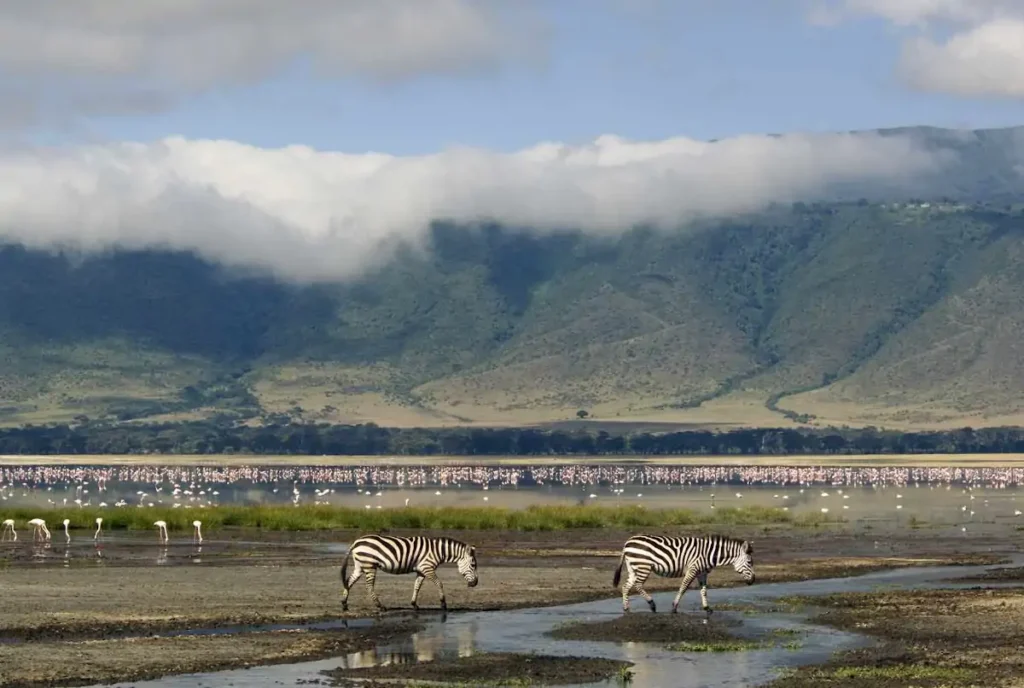
Ngorongoro Crater is one of Africa’s most extraordinary natural wonders and a flagship destination of Tanzania’s northern safari circuit. Formed over two million years ago after a massive volcanic eruption, the crater is the world’s largest intact and unflooded volcanic caldera. Its vast floor stretches about 260 square kilometers and is enclosed by steep walls rising up to 600 meters, creating a natural sanctuary for wildlife. Because of this unique formation, animals remain within the crater year-round, making it one of the most reliable places in Africa for exceptional game viewing in a single day. The crater floor is a mosaic of diverse ecosystems, including open grasslands, acacia woodlands, swamps, and seasonal lakes. This rich habitat supports an incredible concentration of wildlife, including elephants, lions, leopards, cheetahs, buffaloes, zebras, wildebeest, and hippos. Ngorongoro is also one of the best places in Tanzania to spot the critically endangered black rhinoceros, protected within the crater’s boundaries. Birdlife is equally impressive, with flamingos often gathering at Lake Magadi alongside pelicans, storks, and numerous raptor species. The abundance of prey makes the crater a stronghold for predators, offering dramatic wildlife interactions throughout the year. Beyond wildlife, Ngorongoro holds deep cultural and conservation significance. It lies within the Ngorongoro Conservation Area, a UNESCO World Heritage Site where wildlife conservation coexists with the traditional lifestyle of the Maasai people. This rare multiple-land-use model allows pastoral communities to live alongside wild animals while preserving the area’s ecological balance. Visitors not only experience breathtaking scenery and dense wildlife populations but also gain insight into sustainable conservation efforts and local cultures. Ngorongoro Crater is more than a safari destination—it is a living testament to nature’s power, harmony, and resilience, leaving a lasting impression on every traveler who descends into its ancient depths.

Destination

Tarangire National Park

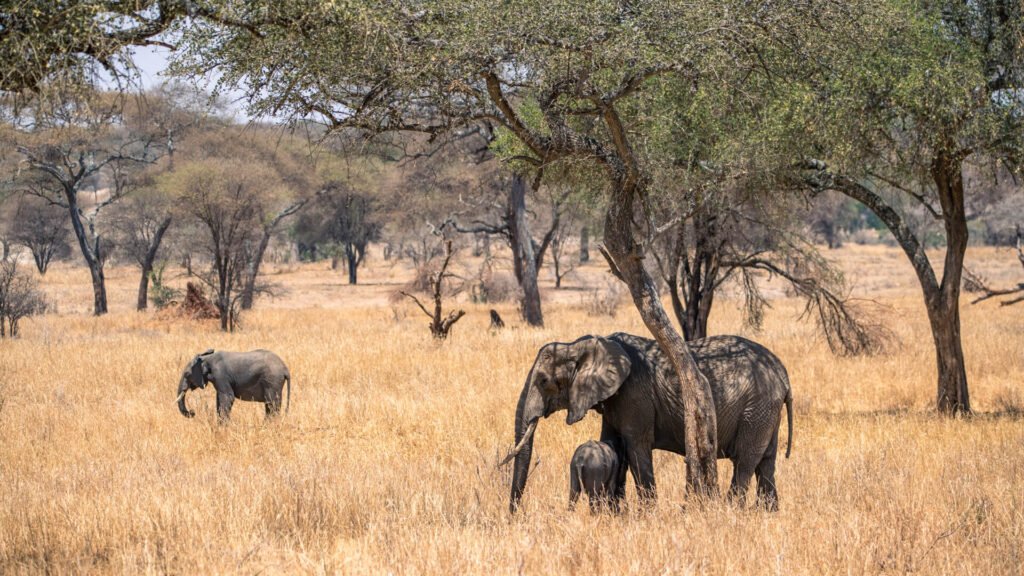
Tarangire National Park is one of Tanzania’s most underrated yet rewarding safari destinations, located in the heart of the northern safari circuit. Covering vast savannahs, rolling hills, and seasonal wetlands, the park is named after the Tarangire River, which acts as a lifeline for wildlife during the dry season. When surrounding areas dry out, animals migrate toward the river, creating exceptional game-viewing opportunities. The landscape is especially striking, dotted with massive ancient baobab trees that dominate the horizon and give the park its unique character. Tarangire is best known for its impressive elephant population, one of the largest concentrations in Tanzania. It is common to see large herds moving gracefully across the plains or gathering along the riverbanks to drink and bathe. In addition to elephants, the park supports a wide range of wildlife including lions, leopards, cheetahs, giraffes, zebras, wildebeest, buffaloes, and various antelope species such as eland, kudu, and oryx. During the dry season, wildlife density is particularly high, making Tarangire an excellent destination for photography and classic safari experiences with fewer crowds compared to larger parks. Birdlife in Tarangire National Park is equally remarkable, with over 500 recorded species, making it a paradise for birdwatchers. From vibrant yellow-collared lovebirds and red-and-yellow barbets to large birds such as kori bustards and martial eagles, the park offers year-round birding highlights. Seasonal swamps attract water birds, while woodlands and riverine forests host a diverse range of species. Combined with breathtaking sunsets, open landscapes, and a sense of untouched wilderness, Tarangire delivers an authentic safari atmosphere. Whether visited as a day trip from Arusha or as part of a longer itinerary, Tarangire National Park offers a rich, immersive wildlife experience that captures the true spirit of Tanzania’s wild heritage.

Scroll to Top